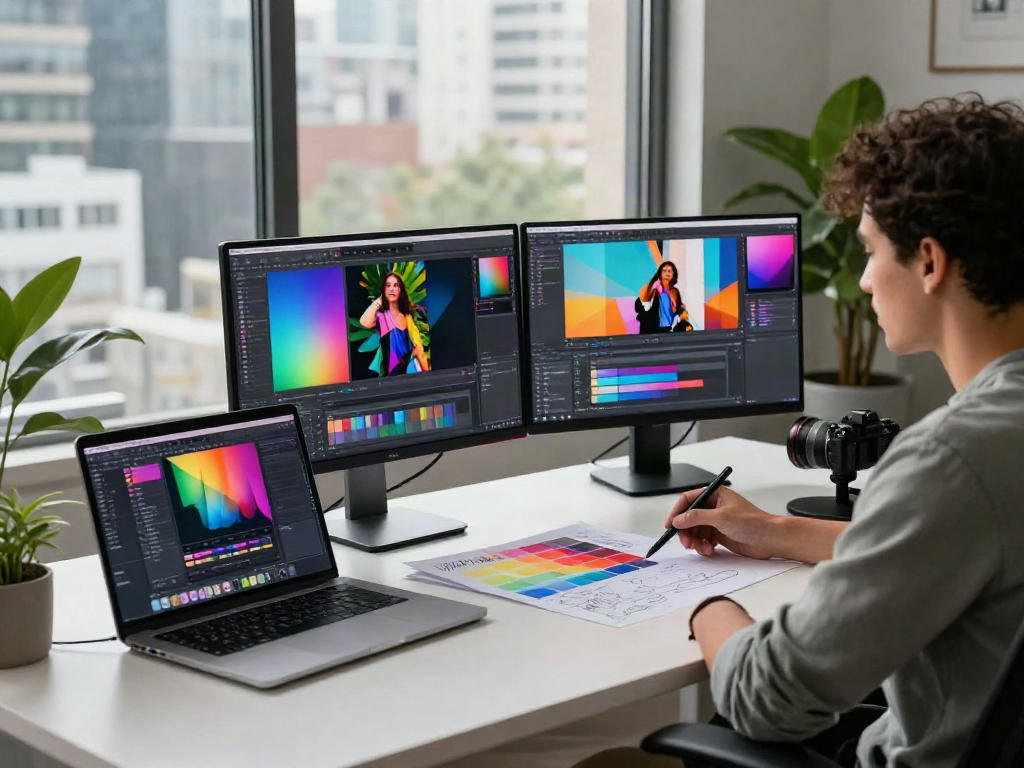
Understanding AI Image Editors
In an age where visual content reigns supreme, the demand for sophisticated image editing tools has surged. Enter AI image editors—advanced software solutions that harness the power of artificial intelligence to streamline and enhance the image editing process. These tools not only save time but also deliver superior results, making them invaluable for photographers, graphic designers, and casual users alike. When exploring options, ai image editor platforms offer comprehensive insights into how these technologies can transform your workflow.
What is an AI Image Editor?
An AI image editor is a software tool that uses artificial intelligence algorithms to perform various image editing tasks. These tasks can include anything from basic adjustments, such as cropping and color correction, to more complex operations like object removal, style transfer, and even the creation of entirely new images based on user inputs. Unlike traditional editors that require manual adjustments, AI image editors harness machine learning models trained on vast datasets to automate these processes, making them faster and often more effective.
How AI Image Editors Work
AI image editors operate on principles derived from machine learning and neural networks. By analyzing millions of images to understand patterns and styles, these tools can apply learned techniques to new images. For instance, an AI model trained on portraits might identify key features like facial structures, lighting, and colors, enabling it to enhance or alter portraits more accurately than a human editor might do in a limited timeframe.
Benefits of Using AI in Image Editing
The application of AI technology in image editing brings several significant benefits:
- Speed: AI tools can process images much faster than human editors, allowing for quicker project turnaround.
- Consistency: Automated processes ensure that images are edited uniformly, which is crucial for maintaining a brand's visual identity.
- Accessibility: Advanced features that were once reserved for expert editors can be accessed by novice users, democratizing the world of image editing.
- Enhanced Creativity: AI can assist in generating new artistic styles and effects, expanding the creative possibilities for users.
Comparing AI Image Editors and Traditional Software
Key Differences Between AI and Traditional Image Editing
While traditional image editing software relies heavily on manual input and user expertise, AI image editors utilize algorithms to automate processes. This fundamental difference means that AI editors can suggest edits based on analysis of the image, potentially leading to better results in less time. Additionally, AI editors often come with features that learn from user preferences, further personalizing the editing experience.
Performance and Efficiency: AI vs. Traditional Tools
When it comes to performance, AI image editors significantly enhance efficiency, especially in bulk editing scenarios. Tasks like batch processing images or converting styles in multiple photos can be performed in a fraction of the time it would take manually. The predictive capabilities of AI allow for adjustments to be made in real-time, which is particularly beneficial in professional settings where deadlines are strict.
Cost Considerations: AI Image Editors vs. Traditional Software
The pricing structures of AI image editors can vary widely. While some platforms offer subscription models or one-time purchases similar to traditional software, the value proposition leans heavily towards cost savings through time efficiency. For businesses or professional photographers, the reduced hours spent on editing translate to lower operational costs and potentially increased revenue.
Common Challenges with AI Image Editors
Limitations of AI Image Editing Technology
Despite their many advantages, AI image editors are not without limitations. One notable challenge is the risk of over-reliance on AI-generated changes, which can sometimes lead to unnatural results, especially in complex scenarios where human judgment is essential. Additionally, some AI tools may struggle with certain styles or subjects, resulting in less-than-perfect edits.
User Adaptation: Overcoming Learning Curves
New technologies often come with a learning curve. Users accustomed to traditional editing tools may find the interface and functionality of AI image editors to be a stark departure from what they are used to. Ongoing education and practice are essential to maximizing the potential of these tools, and many users may need to dedicate time to familiarize themselves with new workflows.
Ethical Considerations in AI Image Editing
As with any technology that manipulates images, ethical considerations are paramount. Issues such as image authenticity, consent for using images, and the potential for creating misleading or harmful content must be addressed. The responsibility falls on both developers of AI tools to create ethical guidelines and users to abide by them.
Best Practices for Using AI Image Editors
Choosing the Right AI Image Editor for Your Needs
With a plethora of options available, it’s crucial to select an AI image editor that aligns with your specific needs. Factors to consider include the types of editing features offered, user reviews, pricing, and the ease of integration with existing workflows. Free trials can be beneficial for testing various tools before committing.
Tips for Maximizing AI Image Editing Potential
To get the most out of AI image editors, users should learn about their capabilities. Familiarize yourself with features such as auto-enhancement, object removal, and style transfer. Experimentation can lead to discovering unique uses and efficiencies that may not be immediately apparent.
Creating Workflow Efficiency with AI Tools
Integrating AI tools into your existing workflow requires careful planning. Consider the tasks that are most time-consuming and explore how AI can alleviate these bottlenecks. Building a standardized process for common tasks with AI assistance can significantly enhance productivity.
Future Trends in AI Image Editing (2026 and Beyond)
Emerging Technologies in AI Image Editing
As AI continues to evolve, new technologies are emerging that promise to further revolutionize image editing. Innovations in deep learning, augmented reality, and real-time collaboration tools are set to enhance user experiences and streamline workflows even more.
Predictions for the Future of Image Editing Tools
Experts predict that future AI image editors will become increasingly intuitive, with capabilities that mimic human editing styles and preferences more closely. Furthermore, the integration of AI with augmented reality may enable users to edit images in real-world environments, enhancing creativity and interactivity.
How to Stay Updated on AI Editing Trends
To remain at the forefront of AI image editing developments, users should engage with industry news, follow leading technology blogs, and participate in webinars or online courses. Connecting with communities of other users can also provide valuable insights and best practices.
What Are the Limitations and Misconceptions of AI Image Editors?
While AI image editors are powerful, misconceptions about their capabilities can lead to frustration. It’s essential to understand that these tools are designed to assist rather than replace human creativity and judgment. Users must maintain realistic expectations regarding the technology's limitations.
Can AI Image Editors Replace Traditional Editing Skills?
AI image editors are not designed to replace traditional editing skills but rather to complement them. Skilled editors can leverage AI tools to enhance their work, producing high-quality results more efficiently. However, a strong foundational knowledge of editing principles is still crucial.
What Are the Privacy Concerns with AI Image Editing?
Privacy concerns surrounding AI image editors primarily revolve around data security, especially when using online tools that store images in the cloud. Users must be vigilant about reading privacy policies and understanding how their data is handled and protected.
How to Choose Between Local and Cloud-Based AI Image Editors?
The choice between local and cloud-based AI image editors depends on factors such as storage capacity, internet reliability, and collaborative needs. Local editors may offer faster processing speeds and enhanced privacy, while cloud-based solutions provide flexibility and remote access.
What Are the Most Common Use Cases for AI Image Editors?
AI image editors are increasingly used across various industries, including:
- Photography: Automating retouching and enhancing images for professional portfolios.
- Marketing: Creating visually appealing graphics for social media and advertising campaigns.
- E-commerce: Optimizing product images for online sales to increase conversion rates.